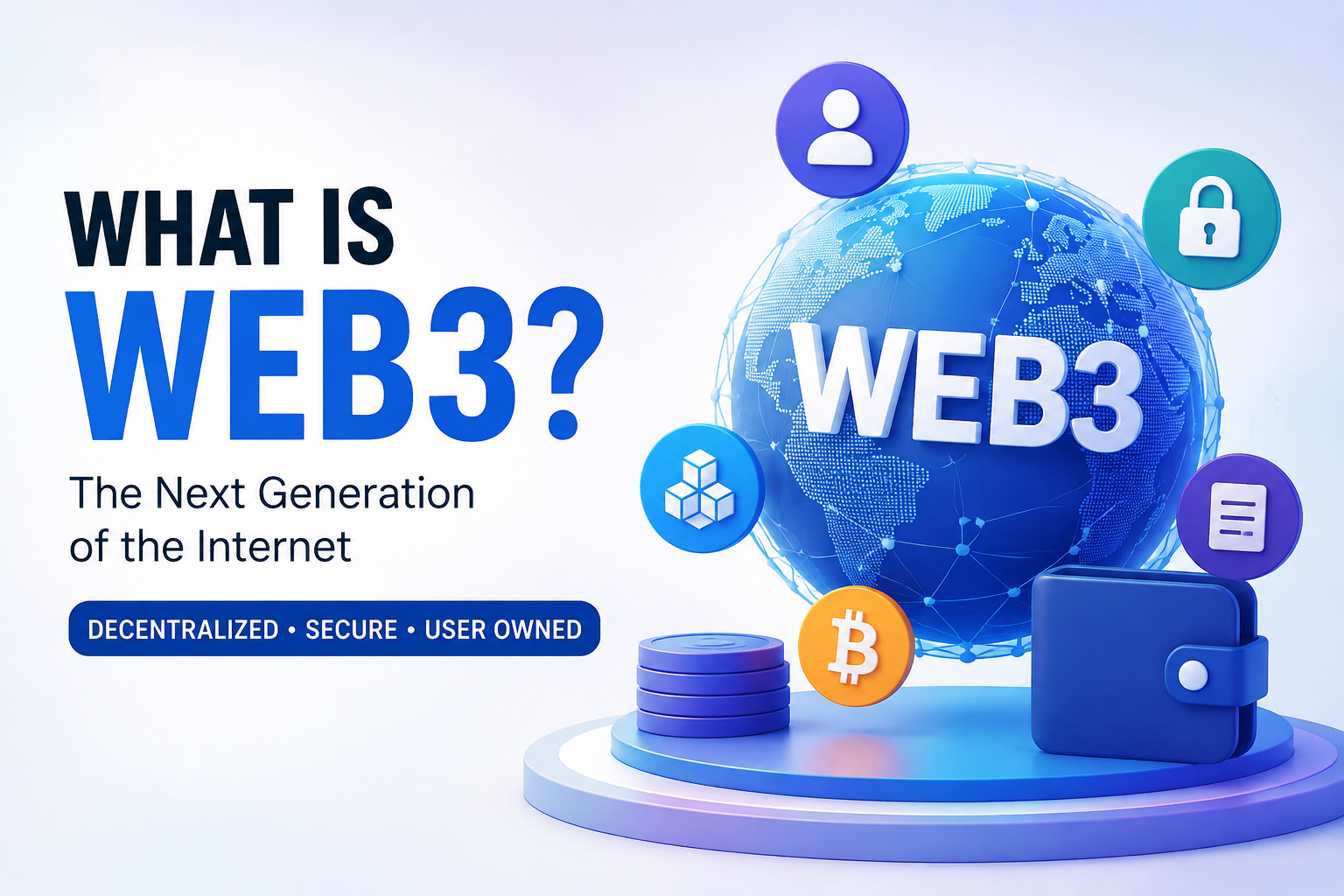
The internet has changed my life in many ways. From searching for information to connecting with people across the world, I have seen how technology continues to evolve. Every few years, a new innovation changes the way we interact online. Today, one of the biggest topics in the digital world is Web3. Many people have heard the term, but not everyone understands what it actually means. When I first started learning about Web3, I thought it was only related to cryptocurrency. After spending more time exploring the technology, I realized that Web3 is much bigger than digital currencies. It represents a completely new vision for the internet where users have greater control over their data, digital assets, and online identity.
In my opinion, Web3 is the next step in the evolution of the internet. It focuses on giving power back to users instead of allowing a few large companies to control everything. Although the technology is still developing, I believe it has the potential to transform industries such as finance, gaming, education, healthcare, and social media.
Understanding the Evolution of the Internet
To understand Web3, I think it is important to understand how the internet has evolved over time.
The first stage was known as Web1. During this period, websites were mostly static. People could visit web pages, read information, and browse content, but there was very little interaction. It was similar to reading a digital newspaper because users could consume information but could not actively participate.
The second stage, which we still use today, is called Web2. This version introduced social media, online shopping, video streaming, cloud computing, and interactive websites. Platforms such as Facebook, YouTube, Instagram, and many others allowed users to create and share content. While Web2 made the internet more engaging, it also created a system where large companies collected enormous amounts of user data and controlled online platforms.
Now comes Web3. This new generation of the internet is designed to be decentralized. Instead of relying on a single company or server, Web3 uses blockchain technology to distribute information across many computers. This creates greater transparency, stronger security, and more control for users.
What Exactly Is Web3
When I explain Web3 to someone, I usually describe it as a decentralized internet where users own their digital identity and assets instead of depending entirely on centralized companies.
In Web3, blockchain technology serves as the foundation. Every transaction is recorded on a distributed ledger that cannot easily be altered. This creates trust without requiring a central authority to verify every action.
One of the biggest differences I notice is ownership. In today’s internet, the platforms usually own the system while users simply participate. In Web3, users can truly own digital assets, participate in governance, and even earn rewards for contributing to online communities.
The Role of Blockchain
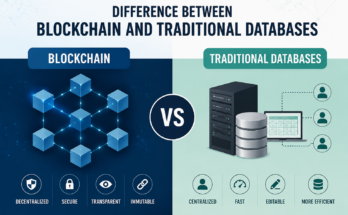
Whenever I study Web3, blockchain always appears at the center of the discussion. Blockchain is a digital ledger that stores information securely across thousands of computers. Every new transaction is added to a chain of previous records, making it extremely difficult to manipulate.
This technology provides transparency because anyone can verify transactions. It also improves security because there is no single point of failure. Even if one computer experiences problems, the rest of the network continues operating.
Without blockchain, I believe Web3 would not exist because it provides the trust that decentralized applications require.
Why Decentralization Matters
One of the reasons I find Web3 interesting is its focus on decentralization.
Today, most online services are controlled by a handful of large technology companies. They store user information, decide platform rules, and sometimes remove content or suspend accounts. While these companies provide valuable services, users often have very little control over their own data.
Web3 changes this model by spreading control across a decentralized network. Instead of trusting one organization, users trust the technology itself.
This approach can reduce censorship, improve privacy, and make online services more resistant to outages. It also encourages innovation because developers can build applications without depending entirely on centralized platforms.
Smart Contracts Make Automation Possible
Another important feature of Web3 is the use of smart contracts.
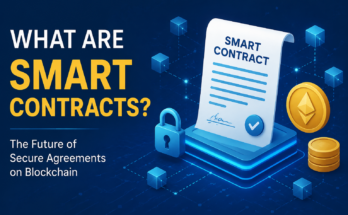
Smart contracts are self executing digital agreements stored on a blockchain. Once the predefined conditions are met, the contract automatically performs the agreed action without requiring a middleman.
For example, if two people agree to exchange digital assets, the smart contract completes the transaction automatically after both sides fulfill their responsibilities.
I think this technology can reduce paperwork, lower costs, and increase efficiency in many industries including finance, insurance, supply chain management, and real estate.
Digital Ownership in Web3
One concept that impressed me while learning about Web3 is digital ownership.
In today’s internet, many digital items exist only inside company platforms. If a platform closes or removes an account, users may lose access to their purchases or content.
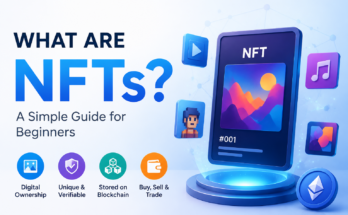
Web3 introduces true ownership through blockchain based assets. Whether it is cryptocurrency, digital artwork, collectibles, or gaming items, users can own these assets directly through their digital wallets.
This means ownership belongs to the individual rather than the platform. I believe this creates entirely new opportunities for creators and consumers alike.
The Importance of Cryptocurrency
Although Web3 is much larger than cryptocurrency, digital currencies play an important role within the ecosystem.
Cryptocurrencies allow people to transfer value without traditional banks. Payments can often be completed quickly across international borders with fewer intermediaries.
Many decentralized applications also use cryptocurrencies to reward users, pay transaction fees, or participate in governance systems.
In my opinion, cryptocurrency acts as the financial layer that supports many Web3 applications.
Decentralized Applications
Web3 introduces decentralized applications, often called DApps.
Unlike traditional applications that operate on centralized servers, decentralized applications run on blockchain networks. This reduces dependence on a single organization and increases transparency.
Users can interact with these applications using digital wallets instead of creating traditional accounts with usernames and passwords.
I believe decentralized applications will continue expanding into areas such as finance, gaming, education, healthcare, digital identity, and online communities because they offer greater flexibility and user control.
What Is Web3 (Part 2)
Real World Applications of Web3
As I continued learning about Web3, I realized that it is not just a theory or a future concept. Many real world applications are already being developed. One of the most popular examples is decentralized finance, often called DeFi. These platforms allow people to lend, borrow, save, and exchange digital assets without relying on traditional banks. Everything is managed through blockchain technology and smart contracts.
Another exciting area is gaming. In traditional games, players spend money on virtual items that remain inside a single game. With Web3, players can truly own their in game assets and trade or sell them whenever they want. This creates a completely different experience because players are rewarded for the time and effort they invest.
Web3 is also changing the world of digital art. Artists can sell their work directly to buyers without depending on large marketplaces. They can receive payments instantly and even earn royalties whenever their artwork is resold. This gives creators more freedom and a better opportunity to build sustainable careers.
I also believe Web3 can improve education. Educational certificates can be stored securely on a blockchain, making them easy to verify anywhere in the world. This can reduce fraud and simplify the hiring process for employers.
Healthcare is another industry where Web3 has great potential. Medical records can be stored securely while allowing patients to control who can access their information. Instead of hospitals owning all the data, patients become the true owners of their medical history.
Benefits of Web3
There are several reasons why I believe Web3 has attracted so much attention across the world.
The first benefit is greater privacy. Users can decide how much information they want to share instead of giving all their personal data to large companies.
The second advantage is ownership. Whether it is digital money, artwork, music, or gaming items, users have direct control over their assets.
Security is another important benefit. Because blockchain records are distributed across thousands of computers, it is much harder for hackers to manipulate the system.
Transparency is equally valuable. Every transaction is recorded publicly on the blockchain, making it easier to verify information and build trust.
Web3 also encourages innovation. Developers can create decentralized applications that anyone can access without needing permission from a central authority.
Finally, Web3 creates new earning opportunities. Content creators, developers, gamers, and community members can receive rewards for their contributions instead of allowing platforms to keep most of the profits.
Challenges Facing Web3
Although I am optimistic about Web3, I also understand that it faces several challenges.
One major issue is complexity. Many beginners find blockchain wallets, private keys, and decentralized applications difficult to understand. Until these tools become simpler, widespread adoption may take time.
Scalability is another concern. Some blockchain networks become slower and more expensive when too many people use them at the same time. Developers are actively working on solutions, but there is still room for improvement.
Regulation is also an important topic. Governments around the world are still deciding how to regulate cryptocurrencies and blockchain technology. Clear regulations can help increase trust while protecting users from fraud.
Security remains another challenge. Although blockchain itself is highly secure, users can still lose funds if they fall victim to scams, phishing attacks, or poor security practices. This is why education is extremely important.
Environmental concerns have also been discussed, especially regarding blockchain networks that consume large amounts of electricity. Fortunately, many modern blockchain platforms are adopting more energy efficient technologies that significantly reduce power consumption.
How Web3 Could Change Everyday Life
When I imagine the future, I see Web3 becoming part of everyday life in ways we may not even notice.
Logging into websites may become easier through secure digital identities instead of remembering dozens of passwords.
Online payments could become faster and more affordable, especially for international transactions.
Creators may earn more income because they can connect directly with their audiences without relying heavily on large platforms.
Businesses could reduce costs by automating agreements with smart contracts.
Communities may even help manage online platforms through decentralized voting systems where users participate in important decisions instead of leaving everything to a single company.
These possibilities make Web3 much more than a technology trend. It has the potential to reshape how people interact online.
Is Web3 the Future of the Internet
Many people ask whether Web3 will completely replace today’s internet. Personally, I do not think the transition will happen overnight.
Just as Web2 did not instantly replace Web1, Web3 will likely develop gradually over many years. Traditional websites and decentralized applications will probably exist together for a long time.
Large companies are already exploring blockchain technology, while startups continue building innovative Web3 solutions. As technology becomes easier to use and regulations become clearer, I believe more people will start adopting Web3 services.
There will certainly be obstacles along the way, but every major technological revolution has faced similar challenges before becoming widely accepted.
Final Thoughts
In my opinion, Web3 represents an exciting new chapter in the evolution of the internet. It is not simply about cryptocurrency or blockchain. It is about creating a digital world where users have greater ownership, stronger privacy, better security, and more control over their online experiences.
While Web3 is still in its early stages, I believe its influence will continue growing over the coming years. Developers are building innovative applications, businesses are exploring new opportunities, and users are becoming more interested in owning their digital identities and assets.
Like any new technology, Web3 has both advantages and challenges. It will require education, responsible development, and thoughtful regulation before reaching its full potential. Even so, I believe it offers an inspiring vision for the future of the internet.
As I continue learning about Web3, I become more convinced that it is more than just a buzzword. It is a movement toward a more open, transparent, and user focused digital world. Whether someone is an investor, developer, creator, business owner, or simply an everyday internet user, understanding Web3 today can help prepare for the digital opportunities of tomorrow.