NFTs have become one of the most talked about innovations in the digital world. When I first heard about NFTs, I thought they were simply expensive digital pictures that people were buying for no reason. Like many others, I found it difficult to understand why someone would spend thousands or even millions of dollars on an image that anyone could easily download. However, after spending time learning about the technology behind NFTs, I realized that there is much more to them than just digital art.
In my opinion, NFTs represent a completely new way of proving ownership in the digital world. They allow creators to sell unique digital assets while giving buyers confidence that they own the original version. Even though the NFT market has experienced both incredible growth and significant declines, the technology itself continues to evolve and find new applications.
In this article, I will explain what NFTs are, how they work, why they became so popular, their advantages, disadvantages, and what I believe their future looks like.
Understanding NFTs
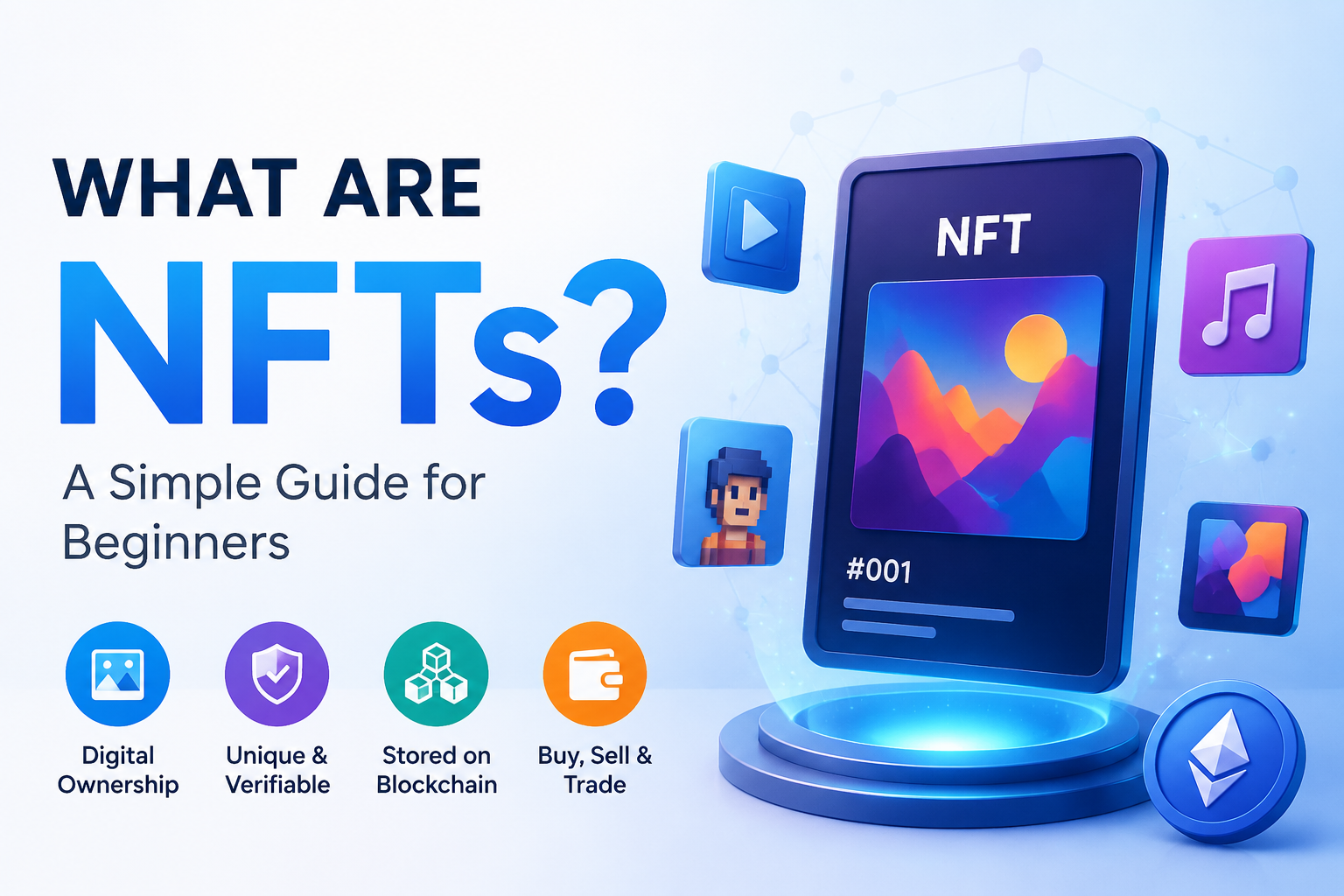
NFT stands for Non Fungible Token. At first, the name sounds complicated, but the concept becomes easier once I break it down.
The word “non fungible” simply means unique. Something that is fungible can be replaced with another identical item. For example, one dollar can be exchanged for another dollar because both have the same value. The same applies to cryptocurrencies like Bitcoin where one Bitcoin is equal to another Bitcoin.
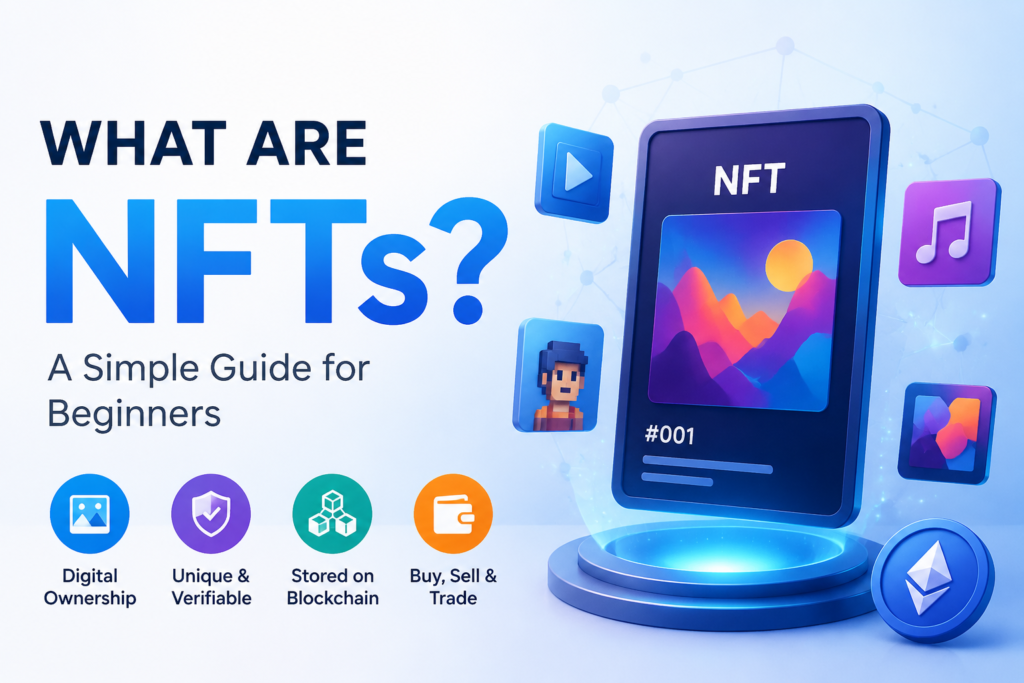
An NFT is different because every NFT has its own identity and cannot be replaced by another one. Each NFT contains unique information stored on a blockchain, making it different from every other token.
I like to think of NFTs as digital certificates of ownership. Instead of proving ownership of a physical painting or collectible, they prove ownership of a digital asset.
How NFTs Work
NFTs are built on blockchain technology. A blockchain is a digital ledger that records every transaction securely and permanently.
When an NFT is created, a process called minting takes place. During minting, information about the digital asset is recorded on the blockchain. This information includes details about the creator, ownership history, and other important data.
Whenever someone buys or sells an NFT, the blockchain records the transaction. Because these records cannot easily be changed, ownership remains transparent and secure.
One of the reasons I find NFTs interesting is that anyone can verify who owns a particular NFT without relying on a central authority.
What Can Become an NFT
Many people think NFTs are only digital artwork, but they can represent almost anything digital.
Some common examples include digital paintings, illustrations, photographs, music, videos, gaming items, virtual land, trading cards, domain names, event tickets, and even important documents.
As technology continues to develop, I believe even more digital assets will be represented as NFTs.
Why NFTs Became So Popular
The popularity of NFTs increased rapidly because they introduced digital scarcity.
Before NFTs, digital files could be copied endlessly. An artist could create an image, but anyone could download and share it without proving who owned the original version.
NFTs changed this by allowing creators to sell an officially recognized original copy while keeping ownership records on the blockchain.
Social media also played a huge role in their popularity. Stories of artists earning millions from NFT sales attracted worldwide attention. Celebrities, athletes, musicians, and major brands also entered the NFT space, increasing public interest.
Although the excitement has slowed compared to the early days, NFTs remain an important part of blockchain innovation.
NFT Marketplaces
NFTs are usually bought and sold on specialized online marketplaces.
These platforms allow creators to upload their digital work, mint NFTs, and sell them to buyers around the world.
Collectors can browse thousands of NFTs, compare prices, and purchase items using cryptocurrency.
Different marketplaces support different blockchain networks, giving creators and buyers multiple choices based on transaction costs and available collections.
Benefits for Digital Creators
One of the biggest reasons I appreciate NFTs is the opportunity they create for artists.
In the past, many digital artists struggled to earn money because their work could be copied and shared without permission.
NFTs provide creators with a direct way to sell their work to collectors without depending entirely on galleries or publishers.
Another valuable feature is royalty payments. Some NFT platforms allow artists to receive a percentage every time their NFT is resold. This means creators can continue earning income long after the original sale.
I think this has created new opportunities for talented people around the world.
Why People Buy NFTs
Many people purchase NFTs for different reasons.
Some buyers genuinely appreciate digital art and want to support their favorite creators.
Others collect NFTs because they believe their value will increase over time.
Some NFTs provide access to exclusive communities, private events, games, or special memberships.
Gamers also buy NFTs because they represent unique in game items that players truly own instead of simply renting from a game company.
For investors, NFTs represent another type of digital asset that may become valuable in the future.
NFTs in Gaming
Gaming is one area where I believe NFTs have enormous potential.
Traditionally, players spend money on skins, weapons, costumes, or collectibles inside games. However, these items usually remain under the control of the game developer.
NFTs allow players to own their digital items independently.
This means players may eventually sell, trade, or even use certain assets across multiple games if developers support such systems.
Although widespread adoption is still developing, the idea is very exciting.
NFTs Beyond Art
Many people still associate NFTs only with digital artwork, but their potential goes much further.
Companies are exploring NFT technology for identity verification, education certificates, event tickets, music ownership, intellectual property management, and real estate records.
These applications show that NFTs are more than just collectible images.
Instead, they offer a new way to manage ownership of digital and even physical assets through blockchain technology.
Challenges and Risks of NFTs
Although I see many exciting opportunities in NFTs, I also believe it is important to understand the risks before investing time or money. Like any new technology, NFTs have both advantages and disadvantages.
One of the biggest concerns is price volatility. During the peak of the NFT boom, some collections sold for enormous amounts of money. However, many of those same NFTs later lost a large portion of their value. This shows that NFT prices are often driven by demand and market trends rather than guaranteed long term value.
Another challenge is the presence of scams. Since anyone can create and sell NFTs, dishonest individuals sometimes copy other artists’ work or launch fake projects to attract buyers. This makes research extremely important before making any purchase.
There are also transaction fees on many blockchain networks. Depending on the blockchain being used, buyers and sellers may have to pay additional costs when minting, buying, or transferring NFTs. These fees can sometimes be surprisingly high.
Environmental Concerns
One topic that often comes up when discussing NFTs is their environmental impact.
In the early years, many NFTs were created on blockchain networks that required significant computing power. Because of this, critics argued that NFTs consumed too much energy.
Fortunately, blockchain technology has continued to improve. Many modern networks now use more energy efficient systems that require much less electricity than older methods. As a result, the environmental impact of NFTs has been reduced on several popular blockchain platforms.
I believe this improvement is important because sustainable technology will play a major role in the future of blockchain adoption.
How to Buy an NFT
For someone who wants to purchase an NFT, the process is fairly straightforward once they understand the basics.
The first step is choosing a cryptocurrency wallet that supports NFTs. This wallet stores digital assets and allows users to interact with blockchain networks.
The next step is purchasing cryptocurrency since most NFT marketplaces accept digital currencies instead of traditional payment methods.
After funding the wallet, buyers can visit an NFT marketplace, browse available collections, and select the NFT they wish to purchase. Once the transaction is completed, ownership is recorded permanently on the blockchain.
I always think it is wise to start with a small budget, especially for beginners who are still learning how the NFT ecosystem works.
How Creators Make NFTs
Creating an NFT is easier today than it was a few years ago.
An artist, photographer, musician, or content creator first prepares their digital work. They then choose a blockchain network and an NFT marketplace that supports minting.
During the minting process, the digital file is linked to a blockchain token that proves ownership and authenticity. The creator can then set a selling price or allow buyers to bid on the NFT.
Some creators choose fixed prices while others use auctions where the highest bidder wins.
One feature I find especially useful is the ability to include royalty payments. This means creators can continue earning money every time their NFT is sold to another buyer.
Are NFTs a Good Investment?
This is one of the most common questions people ask.
My answer is that NFTs should be approached carefully. While some people have earned impressive profits, many others have experienced significant losses.
The NFT market can change very quickly. A collection that is popular today may lose attention tomorrow. Because of this uncertainty, I do not think anyone should buy NFTs simply because they expect guaranteed profits.
Instead, I believe people should buy NFTs they genuinely appreciate or projects they truly believe have long term value.
Like any investment, diversification and careful research are essential.
The Future of NFTs
Even though the excitement around NFTs is not as intense as it once was, I do not believe the technology has disappeared. Instead, I think it is moving into a more practical stage.
Businesses are exploring NFTs for customer loyalty programs, digital memberships, ticketing systems, and secure ownership records. Educational institutions are considering blockchain based certificates, while gaming companies continue experimenting with NFT powered virtual economies.
As virtual reality and the metaverse continue to develop, NFTs may become an important way to prove ownership of digital assets in online environments.
I believe the future of NFTs will depend less on speculation and more on solving real world problems.
Common Misunderstandings About NFTs
There are several misconceptions that often confuse beginners.
The first is that buying an NFT means owning the copyright to the digital file. In reality, purchasing an NFT usually gives ownership of the token, while copyright often remains with the original creator unless stated otherwise.
Another misunderstanding is that NFTs cannot be copied. The digital image or file itself can still be copied and shared. What makes the NFT special is the blockchain record proving who owns the authentic original.
Some people also believe NFTs are only for wealthy investors. While certain NFTs sell for very high prices, many affordable NFTs are available for beginners who simply want to explore the technology.
Understanding these differences helps people make more informed decisions.
My Final Thoughts
When I first learned about NFTs, I honestly thought they were just another internet trend. After spending time understanding how they work, my opinion changed. I realized that NFTs are not only about digital art or expensive collectibles. They represent a new method of proving ownership in the digital age.
Of course, NFTs are not perfect. They come with risks, market uncertainty, and technical challenges. Not every NFT will become valuable, and many projects fail over time. That is why I believe education and research are far more important than following hype.
What excites me most is the technology behind NFTs rather than the headlines about expensive sales. Blockchain based ownership has the potential to transform industries such as gaming, entertainment, education, real estate, and digital identity.
As the technology continues to mature, I expect NFTs to become more practical and more widely accepted. Instead of being remembered only for digital artwork, they may eventually become an everyday tool for proving ownership of countless digital assets.
In the end, I see NFTs as an important step toward the future of the internet. Whether someone is an artist, investor, gamer, business owner, or simply curious about new technology, learning about NFTs is worthwhile. The market will continue to evolve, trends will come and go, but the idea of secure digital ownership is likely to remain an important part of our digital future for many years to come.